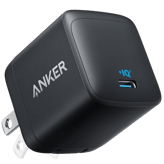
Anker 523 vs Anker 525: 130 Highlights & 53 Differences — So, Which Charger Actually Works Better
Explore which model suits your lifestyle—compact convenience or multi-device charging power. Choosing the better charger? This comparison shows Anker 523 vs Anker 525 side by side — from usb-c ports, wireless charging power, cable length & interchangeable plugs to what users love.
 Supermod
 Moderator

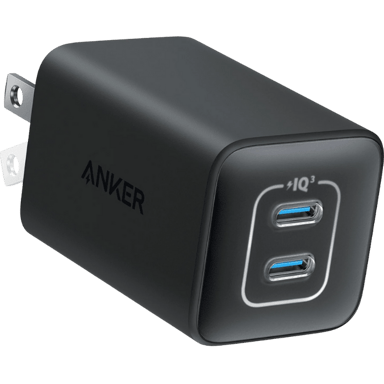
Highlights 154
No extras. Just what matters.Why is Anker 523 better than Anker 525 ?
 Recaptor
Anker 523 vs Anker 525: Compact Power Meets Versatility in Chargers
When searching for reliable and efficient power adapters, the Anker 523 and Anker 525 stand out as two excellent options. Both models offer robust safety features, universal cross-brand compatibility, and utilize high-quality plastic/polycarbonate housings designed with heat-resistant materials to ensure durability. They share multi-layer safety redundancies, including instant protection response and fire protection, making them safe picks for indoor use.
However, the Anker 523 and Anker 525 diverge significantly in terms of power capacity, port configurations, and form factor. The Anker 523 delivers up to 47 watts of power, ideal for users prioritizing portability and moderate charging needs. Meanwhile, the Anker 525 cranks up output to 65 watts with additional USB-A ports, catering to environments demanding multi-device charging. Let's dive deeper into what makes each charger a unique contender.
Lean and Travel-Ready: The Anker 523's Compact Brilliance
The Anker 523 excels in portability, coming in at just 0.7 pounds with a compact footprint of approximately 1.36" width by 2.05" height. This places it firmly in the compact travel-friendly category, perfect for users who need a lightweight charger to carry on the go. Featuring 2 USB-C ports, it supports GaN technology for efficient power delivery with minimal heat loss.
Its power output peaks at 47 watts, providing consistent charging performance for laptops, tablets, and smartphones. The charger powers off when idle to save energy, contributing to its high energy efficiency rating. The device also boasts a high drop resistance level (6 out of 10), suggesting enhanced durability against accidental falls; an important factor for travel.
Safety remains a priority with the Anker 523's multi-layer safety systems, including thermal fail-safe mode that kicks in before overheating, thanks to a 140°F thermal throttling threshold. Although it lacks LED indicators and wireless charging, the charger's straightforward functionality appeals to intermediate users focusing on reliable, no-frills power delivery during travels.
Additionally, its premium manufacturing quality and moderate-rated lifespan assure dependable use over time. You can find this charger priced competitively at just $25.99 at Anker.com, making it an affordable yet efficient pick.
The Anker 525: Powerhouse for Home and Multi-Device Needs
In comparison, the Anker 525 is aimed at beginner users who want a versatile charging station with an emphasis on fast charging and multiple device support. Though it's bulkier and heavier at 1.5 pounds, with a width of 3.9" and a height of 2.0", its standard size suits desktop or stationary setups.
The 525's real strength lies in its robust 65-watt power output and versatile port array: 2 USB-C ports plus 2 USB-A ports, allowing for simultaneous device charging. This is enhanced by a longer 5-foot cable length, offering more flexible placement options.
Another convenience feature is the inclusion of LED indicators that provide real-time charging feedback; a feature absent from the 523. The charger also integrates child safety shutters, a thoughtful addition for households with kids.
Designed with fast charging technology in mind, the Anker 525 can support a wider variety of devices, from smartphones to laptops, simultaneously. Its thermal management is robust, featuring a higher 176°F thermal throttling threshold, meaning it can maintain high load efficiency for longer periods without risk. The rated lifespan is longer than the 523's, complemented by medium drop resistance and environmental stress resilience.
While this model doesn't cater to travelers due to its size and weight, it shines in everyday convenience with high-quality materials and a premium feel. Its pricing ranges from $39.99 to $65.99 at Anker.com, reflecting its enhanced capabilities and expanded functionality.
Quick Take
The Anker 523 stands out for its lightweight, travel-friendly design while delivering solid 47W charging power with excellent safety and efficiency. On the other hand, the Anker 525 impresses with broader connectivity options, higher power output, and useful features like LED charging indicators and child safety, perfect for multi-device setups.
Bottom Line
If portability and a streamlined charging experience for on-the-go users are your priority, the Anker 523 is the superior choice with its compact build and consistent power delivery. However, if your focus is on maximum power, simultaneous device charging, and additional safety features in a home or office environment, the Anker 525 offers a more comprehensive solution despite its larger form factor.
Verdict
- Winner: Anker 525 - Offers higher wattage, versatile charging ports, additional safety features, and is better suited for multi-device desktop charging.
- Runner-up: Anker 523 - Exceptional portability and efficiency with enough power for travelers and everyday intermediate users.
Comparisons 3
Two enter. One leaves your cart.Price comparisons
Anker 523
Anker 525
Related comparisons 3
Because one duel is never enough. 0
Cartling
0
Cartling
 0
Cartling
0
Cartling
 0
Cartling
0
Cartling
Comparisons & Facts 154
Side by side. The numbers. The features. No drama.From feature sets to real-life wins and flaws, this chargers comparison between Anker 523 and Anker 525 helps you cut through the noise.
General Information 15

Release Year
What year was this charger released?
77 Anker 523 0 Votes 2023
74 Anker 525 0 Votes 2022

vs

Release Year
Anker 523 was released in 2023 whereas Anker 525 came out in 2022, so Anker 523 is the newer model.
The year the charger model was first released to market.

Charging Technology
What charging technology does it use?
87 Anker 523 0 Votes GaN
66 Anker 525 0 Votes Fast Charging
vs
Charging Technology
Charging Technology on Anker 523 is GaN compared to Fast Charging on Anker 525, indicating Anker 523 has a more advanced charger tech.
Indicates the core technology used to deliver power efficiently.

Usage Environment
Where can this charger be used?
47 Anker 523 0 Votes Indoor
36 Anker 525 0 Votes Indoor
vs
Usage Environment
Both Anker 523 and Anker 525 are intended for Indoor Usage Environment, so usage context is the same.
Specifies the environments where the charger is designed to operate.

User Level
What user level is this charger designed for?
57 Anker 523 0 Votes Intermediate
16 Anker 525 0 Votes Beginner
vs
User Level
User Level differs as Anker 523 suits Intermediate users while Anker 525 is designed for Beginners, making Anker 525 simpler for new users.
Describes the technical experience level required to use the charger effectively.
Product Name
What is the product name?
72 Anker 523 0 Votes Anker 523
69 Anker 525 0 Votes Anker 525
vs
Product Name
The Product Name for Anker 523 is Anker 523 and for Anker 525 is Anker 525, distinctly identifying each product.
Official product name used to identify the charger model.
Intended Use
What is the intended use of this charger?
72 Anker 523 0 Votes Home, Office, Travel
71 Anker 525 0 Votes Home, Office
Anker 523
Designed for use in home, office, and travel environments, offering versatile charging solutions across settings.
Describes where and how the charger is primarily intended to be used.
Device Compatibility
What devices are compatible with this charger?
82 Anker 523 0 Votes Smartphone, Tablet, Laptop
91 Anker 525 0 Votes Laptop
Anker 523
Compatible with smartphones, tablets, and laptops, making it versatile for charging multiple device types.
Indicates the types of devices the charger can power.
Certifications
What certifications does this charger have?
62 Anker 523 0 Votes Qi
68 Anker 525 0 Votes UL, FCC, RoHS
Anker 525
Certified under UL, FCC, and RoHS standards, this charger meets recognized safety and environmental compliance requirements.
Lists official safety, quality, and compliance certifications held by the charger.
Charger Type
What type of charger is this?
47 Anker 523 0 Votes Wall Charger
66 Anker 525 0 Votes Multi-Port Charger
Defines the primary charger category based on form and usage.
Compatibility Notes
Are compatibility notes clearly provided?
Yes 0 Votes Anker 523
Yes 0 Votes Anker 525
Indicates whether additional compatibility limitations or requirements are clearly disclosed.
Power Source
What is the power source?
67 Anker 523 0 Votes AC Outlet
86 Anker 525 0 Votes AC Outlet
Defines where the charger draws its power from.
Installation Type
How is the charger installed?
37 Anker 523 0 Votes Plug-In
46 Anker 525 0 Votes Plug-In
Describes how the charger is installed or connected.
Electrical & Power 19

Maximum Output Power
What is the maximum output power?
vs
Maximum Output Power
Maximum Output Power is 47 Watts for Anker 523 and higher at 65 Watts for Anker 525, making Anker 525 more powerful.
The highest total power the charger can deliver to connected devices.

The Anker 525 definitely beats the Anker 523 on maximum power output which is great for faster charging overall

Input Current
How much input current does it draw?
vs
Input Current
Input Current is 1.4 Amps for Anker 523 while Anker 525 supports 10 Amps, indicating Anker 525 can draw more input current.
The amount of current drawn from the power source during operation.

Output Voltage
What is the output voltage?
vs
Output Voltage
Output Voltage on Anker 523 is 20 Volts compared to 5 Volts on Anker 525, thus Anker 523 can deliver higher voltage output.
The voltage supplied to connected devices during charging.
Peak Power Handling
What peak power can it handle?
vs
Peak Power Handling
Peak Power Handling is 47 Watts for Anker 523 and 65 Watts for Anker 525, confirming Anker 525 handles power peaks better.
The maximum short-term power the charger can safely handle.
Short Circuit Protection
Does it have short circuit protection?
Yes 0 Votes Anker 523
Yes 0 Votes Anker 525
vs
Short Circuit Protection
Short Circuit Protection is present in both Anker 523 and Anker 525, ensuring electrical safety on both devices.
Automatically shuts down power if a short circuit is detected.
Input Voltage
What input voltage does it support?
Anker 523
Operates on a standard input voltage of 100 Volt, suitable for use in many regions worldwide.
Anker 525
The input voltage of the Anker 525 is set at 125 Volt, which is typical for standard North American AC outlets. This ensures compatibility with household power sources in the US.
The voltage range required from the power source to operate safely.
Input Frequency
What input frequency is supported?
Anker 523
Operates at an input frequency of 50 Hz, standard for many international power grids.
Anker 525
The operating input frequency is 60 Hz, standard for North American electric power systems.
The electrical frequency range the charger can accept.
Standby Power Consumption
How much power is used on standby?
Anker 523
Standby power consumption is only 0.1 Watt, demonstrating high energy efficiency when idle.
Anker 525
Standby power consumption is minimal at 0.5 Watt, reflecting good energy-saving features to reduce power draw when idle.
Power consumed when the charger is plugged in but not actively charging.
Minimum Output Power
What is the minimum output power?
Who knows? 0 Votes Anker 525
Anker 523
Minimum output power is 5 Watt, suitable for powering low-charge devices and maintaining battery levels.
The lowest stable power output supported by the charger.
Output Current
What is the output current?
Anker 525
The output current rating is 3 A, which is ample for fast charging modern smartphones and tablets via USB-C ports.
The maximum current delivered to devices for charging.
Power Efficiency
How efficient is the charger?
97 Anker 523 0 Votes High
96 Anker 525 0 Votes High
Anker 525
The charger exhibits high power efficiency, helping reduce wasted energy and heat generation during use.
Indicates how effectively input power is converted into usable output power.
Power Factor
What is the power factor?
97 Anker 523 0 Votes High
96 Anker 525 0 Votes High
Anker 525
A high power factor indicates efficient use of electrical power, improving overall energy savings and reducing demand charges.
Indicates how efficiently electrical power is drawn from the power source.
Charging Performance 14

Idle Charging Behavior
What happens after charging is complete?
47 Anker 523 0 Votes Power-Off
86 Anker 525 0 Votes Standby
vs
Idle Charging Behavior
Idle Charging Behavior is Power-Off for Anker 523 but Standby for Anker 525, so Anker 523 is more energy efficient when idle.
Describes behavior when a device is fully charged but still connected.
Simultaneous Device Charging
How many devices can be charged simultaneously?
Who knows? 0 Votes Anker 523
0 Anker 525 0 Votes yes
vs
Simultaneous Device Charging
Simultaneous Device Charging is not applicable for Anker 523 but available on Anker 525, making Anker 525 more versatile.
The maximum number of devices that can be charged at the same time.
Power Distribution Method
How is power distributed?
97 Anker 523 0 Votes Dynamic
86 Anker 525 0 Votes Dynamic
vs
Power Distribution Method
Power Distribution Method is Dynamic for both Anker 523 and Anker 525, ensuring adaptable power delivery.
Describes how power is allocated across multiple ports.
Heat Management Efficiency
How efficient is heat management?
97 Anker 523 0 Votes High
96 Anker 525 0 Votes High
vs
Heat Management Efficiency
Heat Management Efficiency rates High on Anker 523 and Anker 525, so both manage heat effectively.
Measures how effectively heat is managed during charging.
Charging Consistency
Is charging speed consistent?
97 Anker 523 0 Votes Consistent
96 Anker 525 0 Votes Consistent
vs
Charging Consistency
Charging Consistency is Consistent for both Anker 523 and Anker 525, guaranteeing reliable charging performance.
Indicates how evenly charging speed is maintained throughout a session.
Maximum Charging Speed
What is the maximum charging speed?
Anker 523
The maximum charging speed is 120 Watt, suitable for fast charging power-hungry devices like laptops.
Anker 525
The maximum charging speed matches the max output power at 65 Watt, indicating the charger can maintain full power at peak loads.
The highest charging power delivered to a single device.
Adaptive Charging
Does it support adaptive charging?
Yes 0 Votes Anker 523
Yes 0 Votes Anker 525
Anker 525
Adaptive charging technology automatically adjusts charging parameters to optimize charging speed and protect battery health.
Adjusts charging patterns based on device needs and conditions.
Charging Speed
What is the charging speed category?
97 Anker 523 0 Votes Ultra-Fast
56 Anker 525 0 Votes Fast
Classifies overall charging speed based on supported power and protocols.
Intelligent Power Allocation
Does it allocate power intelligently?
Yes 0 Votes Anker 523
Yes 0 Votes Anker 525
Automatically adjusts power delivery based on connected devices.
Charging Stability
How stable is the charging performance?
37 Anker 523 0 Votes Stable
46 Anker 525 0 Votes Stable
Reflects how consistent charging output remains over time.
Throttling Behavior
How does the charger throttle performance?
97 Anker 523 0 Votes Gradual
96 Anker 525 0 Votes Gradual
Describes how charging speed is reduced when limits are reached.
Full Charge Time Estimate
How long does a full charge take?
52 Anker 523 0 Votes 1.5–2 hours
6 Anker 525 0 Votes Varies by device
Estimated time required to fully charge a typical device.
Ports & Connectivity 17
USB-C Ports
How many USB-C ports does it have?
76 Anker 523 0 Votes 2
56 Anker 525 0 Votes 2
vs
USB-C Ports
USB-C Ports count is 2 on both Anker 523 and Anker 525, providing similar USB-C compatibility.
Number of USB-C output ports for modern devices.
Cable Length
How long is the charging cable?
Who knows? 0 Votes Anker 523
vs
Cable Length
Cable Length is not available for Anker 523 but is 5 feet for Anker 525, so Anker 525 offers a built-in cable length advantage.
Length of the included charging cable.
USB-A Ports
How many USB-A ports are included?
6 Anker 523 0 Votes 0
26 Anker 525 1 Votes 2
vs
USB-A Ports
USB-A Ports count is 0 on Anker 523 but 2 on Anker 525, enabling Anker 525 to connect more USB-A devices.
Number of traditional USB-A output ports.
I kinda like that the Anker 525 has USB-A ports unlike the 523 which has none it's more versatile for older cables

Wireless Charging Power
What is the wireless charging power?
Who knows? 0 Votes Anker 523
Who knows? 0 Votes Anker 525
Maximum power delivered during wireless charging.
Interchangeable Plugs
Does it support interchangeable plugs?
No
0
Votes
Anker 523
No
0
Votes
Anker 525
vs
Interchangeable Plugs
Interchangeable Plugs are not available on either Anker 523 or Anker 525, so plug types are fixed.
Supports interchangeable plug heads for different regions.
Connector Type
What connector types are supported?
87 Anker 523 0 Votes USB-C
71 Anker 525 0 Votes USB-A, USB-C
Anker 523
Uses USB-C connectors, the current standard for fast and versatile charging.
Types of connectors supported by the charger.
Wireless Charging
Does it support wireless charging?
No
0
Votes
Anker 523
No
0
Votes
Anker 525
Indicates whether the charger supports wireless charging.
Detachable Cable
Is the cable detachable?
No
0
Votes
Anker 523
No
0
Votes
Anker 525
Indicates whether the charging cable can be detached.
Pass-Through Charging
Does it support pass-through charging?
No
0
Votes
Anker 523
No
0
Votes
Anker 525
Allows the charger to power devices while itself being powered.
Port Placement
Where are the ports located?
72 Anker 523 0 Votes Side
56 Anker 525 0 Votes Front
Location of charging ports on the charger body.
Port Labeling
Are the ports labeled?
Yes 0 Votes Anker 523
Yes 0 Votes Anker 525
Indicates whether ports are clearly labeled for identification.
Port Durability
How durable are the ports?
97 Anker 523 0 Votes High
96 Anker 525 0 Votes High
Expected resistance of ports to wear from repeated use.
Physical Dimensions & Weight 7
Weight
How much does the charger weigh?
vs
Weight
Weight is 0.7 lbs for Anker 523 and heavier at 1.5 lbs for Anker 525, favoring Anker 523 for lighter carry.
Total weight of the charger including built-in components.
Not gonna lie the Anker 523 is lighter which makes it easier to carry for travel compared to the heavier 525
Width
What is the width of the charger?
vs
Width
Width is 1.36 inches for Anker 523 versus 3.9 inches for Anker 525, indicating Anker 523 is more compact in width.
The horizontal measurement of the charger body from side to side.
Height
What is the height of the charger?
vs
Height
Height measures 2.05 inches for Anker 523 slightly higher than 2 inches for Anker 525, a minor size difference.
The vertical measurement of the charger from bottom to top.

Cable Thickness
How thick is the cable?
Who knows? 0 Votes Anker 523
vs
Cable Thickness
Cable Thickness data is not available for Anker 523, while Anker 525 has a thickness of 0.25 inches, making cable specs unknown for Anker 523.
Thickness of the charging cable, affecting durability and flexibility.
Travel Size Classification
Is this charger travel-sized?
67 Anker 523 0 Votes Compact
26 Anker 525 0 Votes Standard
vs
Travel Size Classification
Travel Size Classification is Compact for Anker 523 but Standard for Anker 525, so Anker 523 is more portable.
Overall size category based on dimensions and portability.
Depth
What is the depth of the charger?
Anker 523
Depth measures 1.36 inch (3.45 cm), contributing to the compact design.
Anker 525
The depth is 3.5 inch (8.89 cm), balancing compact design with the necessary internal components for multi-port charging.
The front-to-back measurement of the charger body.
Plug Profile Depth
How far does the plug stick out?
Anker 523
The plug profile depth is 1.5 inch (3.81 cm), affecting how far it extends from the power outlet.
Anker 525
The plug profile depth is 1.2 inch (3.05 cm), allowing easy insertion into standard outlets without excessive protrusion.
Depth of the plug profile when inserted into an outlet.
Build Quality & Materials 11
Drop Resistance
How drop-resistant is the charger?
vs
Drop Resistance
Drop Resistance is rated 6 feet for Anker 523 but only 3 feet for Anker 525, so Anker 523 is more impact resistant.
Maximum drop height the charger can withstand without damage.
Housing Material
What is the housing material?
55 Anker 523 0 Votes Plastic, Polycarbonate
56 Anker 525 0 Votes Plastic, Polycarbonate
vs
Housing Material
Housing Material is Plastic and Polycarbonate for both Anker 523 and Anker 525, so case build material is identical.
Primary material used for the outer charger casing.
Heat-Resistant Materials
Does it use heat-resistant materials?
Yes 0 Votes Anker 523
Yes 0 Votes Anker 525
vs
Heat-Resistant Materials
Heat-Resistant Materials are present in both Anker 523 and Anker 525, supporting durability under heat.
Uses materials designed to withstand high temperatures safely.
Scratch Resistance
How scratch-resistant is it?
47 Anker 523 0 Votes Medium
36 Anker 525 0 Votes Medium
vs
Scratch Resistance
Scratch Resistance is Medium for both Anker 523 and Anker 525, equally protecting against surface damage.
Resistance of the surface to scratches and abrasions.
Material Sustainability Level
How sustainable are the materials?
97 Anker 523 0 Votes High
46 Anker 525 0 Votes Medium
vs
Material Sustainability Level
Material Sustainability Level is High in Anker 523 but Medium in Anker 525, making Anker 523 more eco-friendly.
Use of sustainable or environmentally friendly materials.
Fire-Retardant Rating
What is the fire-retardant rating?
97 Anker 523 0 Votes V-0
86 Anker 525 0 Votes V-0
Anker 523
Fire-retardant rating is V-0, the highest standard indicating excellent flame resistance for safety.
Fire safety rating of the charger materials.
Plug Material
What material is the plug made of?
57 Anker 523 0 Votes Metal
46 Anker 525 0 Votes Metal, Plastic
Material used for the plug prongs and structure.
Port Reinforcement
Are the ports reinforced?
97 Anker 523 0 Votes Reinforced
96 Anker 525 0 Votes Reinforced
Indicates whether charging ports are reinforced for durability.
Surface Finish
What is the surface finish?
67 Anker 523 0 Votes Matte
26 Anker 525 0 Votes Matte
External surface finish affecting grip and aesthetics.
Build Rigidity
How rigid is the charger build?
97 Anker 523 0 Votes Solid
96 Anker 525 0 Votes Solid
Overall structural stiffness of the charger body.
Moisture Resistance
Is it resistant to moisture?
0 Anker 523 0 Votes None
0 Anker 525 0 Votes None
Ability to withstand moisture exposure.
Safety & Protection Features 15
Thermal Fail-Safe Mode
Is there a thermal fail-safe mode?
Yes 0 Votes Anker 523
Yes 0 Votes Anker 525
vs
Thermal Fail-Safe Mode
Thermal Fail-Safe Mode is present on both Anker 523 and Anker 525, preventing overheating issues effectively.
Emergency mode that safely disables charging during extreme heat.
Fire Protection
Does it include fire protection?
Yes 0 Votes Anker 523
Yes 0 Votes Anker 525
vs
Fire Protection
Fire Protection is enabled on both Anker 523 and Anker 525, enhancing safety against fire risks.
Built-in measures to reduce fire risk during electrical faults.
Child Safety Shutter
Is there a child safety shutter?
No
0
Votes
Anker 523
Yes 0 Votes Anker 525
vs
Child Safety Shutter
Child Safety Shutter is not available on Anker 523 but is included on Anker 525, better safeguarding children with Anker 525.
Prevents accidental insertion of objects into live ports.
Safety Redundancy Level
What is the safety redundancy level?
97 Anker 523 0 Votes Multi-Layer
96 Anker 525 0 Votes Multi-Layer
vs
Safety Redundancy Level
Safety Redundancy Level is Multi-Layer for both Anker 523 and Anker 525, assuring strong safety measures.
Indicates the number of safety systems working together.
Protection Response Time
How fast does protection activate?
77 Anker 523 0 Votes Instant
71 Anker 525 0 Votes Instant
vs
Protection Response Time
Protection Response Time is Instant for both Anker 523 and Anker 525, providing immediate protective action.
Time taken for protection systems to activate during a fault.
Temperature Monitoring
Is temperature actively monitored?
Yes 0 Votes Anker 523
Yes 0 Votes Anker 525
Anker 525
Inbuilt temperature monitoring helps prevent overheating by continuously tracking internal temperatures for safe operation.
Continuously monitors internal temperature during operation.
Anti-Spark Protection
Does it have anti-spark protection?
Yes 0 Votes Anker 523
Yes 0 Votes Anker 525
Anker 525
Anti-spark protection minimizes sparking during cable connection, enhancing user safety and longevity of ports.
Reduces sparking when plugging or unplugging devices.
Overheat Protection
Does it have overheat protection?
Yes 0 Votes Anker 523
Yes 0 Votes Anker 525
Automatically reduces or shuts off power when excessive heat is detected.
Electrical Isolation
Is electrical isolation implemented?
Yes 0 Votes Anker 523
Yes 0 Votes Anker 525
Separates high-voltage and low-voltage components for safety.
Grounding
Does it support grounding?
No
0
Votes
Anker 523
Yes 0 Votes Anker 525
Supports grounding to reduce shock and electrical interference.
EMI Protection
Is EMI protection included?
Yes 0 Votes Anker 523
Yes 0 Votes Anker 525
Protects against electromagnetic interference affecting nearby electronics.
ESD Protection
Is ESD protection supported?
Yes 0 Votes Anker 523
Yes 0 Votes Anker 525
Shields the charger from electrostatic discharge damage.
Compatibility & Standards 12
Tablet Charging
Does it support tablet charging?
Yes 0 Votes Anker 523
Yes 0 Votes Anker 525
vs
Tablet Charging
Tablet Charging capability is available on both Anker 523 and Anker 525, supporting tablet device charging.
Indicates compatibility with tablets and similar devices.
Backward Compatibility
Is it backward compatible?
Yes 0 Votes Anker 523
Yes 0 Votes Anker 525
vs
Backward Compatibility
Backward Compatibility is supported by both Anker 523 and Anker 525, allowing use with older devices.
Maintains compatibility with older charging standards and devices.
Wireless Charging Standard
Which wireless charging standard is supported?
Who knows? 0 Votes Anker 523
Who knows? 0 Votes Anker 525
Specifies the wireless charging standard supported.
Laptop Charging
Can it charge laptops?
Yes 0 Votes Anker 523
Yes 0 Votes Anker 525
vs
Laptop Charging
Laptop Charging is supported on both Anker 523 and Anker 525, suitable for laptop power needs.
Indicates whether the charger can power laptops.
Cross-Brand Compatibility
How broad is cross-brand compatibility?
97 Anker 523 0 Votes Universal
96 Anker 525 0 Votes Universal
vs
Cross-Brand Compatibility
Cross-Brand Compatibility is Universal for both Anker 523 and Anker 525, supporting various device brands.
Level of compatibility across different device brands.
PPS
Does it support PPS?
Yes 0 Votes Anker 523
Yes 0 Votes Anker 525
Anker 525
PPS (Programmable Power Supply) protocol support enables flexible voltage and current adjustments for compatible devices, allowing faster and safer charging.
Supports Programmable Power Supply for efficient fast charging.
Wearable Charging
Can it charge wearables?
Yes 0 Votes Anker 523
Yes 0 Votes Anker 525
Anker 525
Supports charging of wearables, covering smaller devices with lower power requirements in addition to larger electronics.
Supports charging of wearables like smartwatches or earbuds.
Proprietary Protocol
Does it support proprietary protocols?
No
0
Votes
Anker 523
Yes 0 Votes Anker 525
Anker 525
Includes proprietary protocol support for enhanced communication and faster charging with specific devices.
Supports manufacturer-specific charging protocols.
USB Power Delivery
Does it support USB Power Delivery?
Yes 0 Votes Anker 523
Yes 0 Votes Anker 525
Indicates support for the USB Power Delivery standard for fast and flexible charging.
Quick Charge
Does it support Quick Charge?
Yes 0 Votes Anker 523
Yes 0 Votes Anker 525
Indicates compatibility with Qualcomm Quick Charge technology.
Apple Charging
Is it compatible with Apple devices?
Yes 0 Votes Anker 523
Yes 0 Votes Anker 525
Optimized compatibility with Apple devices and charging requirements.
Android Charging
Is it compatible with Android devices?
Yes 0 Votes Anker 523
Yes 0 Votes Anker 525
Ensures compatibility with Android devices and charging protocols.
Thermal & Environmental Performance 11
Thermal Throttling Threshold
At what temperature does throttling occur?
vs
Thermal Throttling Threshold
Thermal Throttling Threshold is 140°F for Anker 523 and higher at 176°F for Anker 525, making Anker 525 better at handling heat before throttling.
Temperature at which charging power is reduced to prevent overheating.
Energy Loss as Heat
How much energy is lost as heat?
97 Anker 523 0 Votes Low
96 Anker 525 0 Votes Low
vs
Energy Loss as Heat
Energy Loss as Heat is Low on both Anker 523 and Anker 525, indicating efficient energy use.
Percentage of input energy lost as heat during charging.
Thermal Dissipation Method
How does it dissipate heat?
27 Anker 523 0 Votes Passive
56 Anker 525 0 Votes Passive
vs
Thermal Dissipation Method
Thermal Dissipation Method is Passive for both Anker 523 and Anker 525, so they cool without fans.
Method used to release heat during operation.
Noise Level
How noisy is the charger?
Who knows? 0 Votes Anker 523
vs
Noise Level
Noise Level is not available for Anker 523 but is 0 dB for Anker 525, indicating silent operation for Anker 525.
Operational noise produced during charging.
Sustained Load Temperature Stability
How stable is temperature under sustained load?
97 Anker 523 0 Votes Stable
96 Anker 525 0 Votes Stable
vs
Sustained Load Temperature Stability
Sustained Load Temperature Stability is Stable on both Anker 523 and Anker 525, ensuring steady thermal performance.
Temperature stability during prolonged high-load charging.
Internal Cooling Design
What internal cooling design is used?
47 Anker 523 0 Votes Thermal Pads
66 Anker 525 0 Votes Heat Sink
Anker 523
Internal cooling uses thermal pads to dissipate heat efficiently without requiring fans.
Anker 525
The charger uses a heat sink for internal cooling, passively dissipating heat to maintain optimal operating temperatures.
Internal structure designed to manage heat.
Operating Temperature Range
What is the operating temperature range?
77 Anker 523 0 Votes 32–104°F
56 Anker 525 0 Votes 32–104°F
The temperature range within which the charger operates safely.
Storage Temperature Range
What is the storage temperature range?
72 Anker 523 0 Votes -4–158°F
76 Anker 525 0 Votes -4–140°F
Temperature range safe for storing the charger when not in use.
Fanless Design
Is the charger fanless?
Yes 0 Votes Anker 523
Yes 0 Votes Anker 525
Indicates whether cooling is achieved without a fan.
Ambient Temperature Tolerance
How tolerant is it to ambient temperatures?
97 Anker 523 0 Votes High
96 Anker 525 0 Votes High
Ability to perform in varying ambient temperatures.
Altitude Operating Range
What altitude can it operate at?
12 Anker 523 0 Votes Up to 10,000 ft
9 Anker 525 0 Votes Sea level–10,000 ft
Maximum altitude at which the charger operates reliably.
Usability & Convenience 12
LED Indicators
Does it have LED indicators?
No
0
Votes
Anker 523
Yes 1 Votes Anker 525
vs
LED Indicators
LED Indicators are not present on Anker 523 but are included on Anker 525, providing user feedback on the latter.
Presence of LED lights to show charging or power status.
LED indicators on the Anker 525 are a nice touch helps me know when it's charging but the 523 lacks this
Plug Orientation
What is the plug orientation?
17 Anker 523 0 Votes Straight
26 Anker 525 0 Votes Straight
vs
Plug Orientation
Plug Orientation is Straight on both Anker 523 and Anker 525, consistent plug design.
Orientation of the plug relative to the charger body.
Cable Management
How is the cable managed?
22 Anker 523 0 Votes External
56 Anker 525 0 Votes External
vs
Cable Management
Cable Management is External for both Anker 523 and Anker 525, meaning cables are managed outside the main unit.
How the charging cable is managed when not in use.
Travel Friendly
Is it travel-friendly?
Yes 0 Votes Anker 523
No
0
Votes
Anker 525
vs
Travel Friendly
Travel Friendly is Yes for Anker 523 but No for Anker 525, favoring portability for Anker 523.
Designed for easy transport and use while traveling.
Daily Use Convenience
How convenient is it for daily use?
97 Anker 523 0 Votes High
96 Anker 525 0 Votes High
vs
Daily Use Convenience
Daily Use Convenience is rated High for both Anker 523 and Anker 525, ensuring ease during everyday use.
Overall convenience during everyday use.
User Feedback Method
How does it provide user feedback?
Who knows? 0 Votes Anker 523
66 Anker 525 0 Votes LED
Anker 525
User feedback is delivered via LED lights, offering quick, intuitive insights into charging progress and errors.
Methods used to communicate status to the user.
Foldable Plug
Does it have a foldable plug?
Yes 0 Votes Anker 523
No
0
Votes
Anker 525
Indicates whether the plug can fold for easier storage and travel.
Indicator Behavior
How do the indicators behave?
Who knows? 0 Votes Anker 523
16 Anker 525 0 Votes Solid
How indicator lights behave during operation.
One-Hand Operation
Can it be operated with one hand?
Yes 0 Votes Anker 523
Yes 0 Votes Anker 525
Allows easy plugging and unplugging with one hand.
Setup Complexity
How complex is setup?
87 Anker 523 0 Votes Plug-and-Play
76 Anker 525 0 Votes Plug-and-Play
Effort required to start using the charger.
Maintenance Requirements
Does it require maintenance?
97 Anker 523 0 Votes None
96 Anker 525 0 Votes None
Level of maintenance needed to keep the charger functioning well.
Firmware Upgradable
Can the firmware be updated?
No
0
Votes
Anker 523
No
0
Votes
Anker 525
Indicates whether the charger firmware can be updated.
Durability & Reliability 9
Rated Lifespan
How long is the rated lifespan?
47 Anker 523 0 Votes Moderate
96 Anker 525 1 Votes Long
vs
Rated Lifespan
Rated Lifespan is Moderate for Anker 523 but Long for Anker 525, favoring longer service from Anker 525.
Expected operational lifespan of the charger under normal usage conditions.
I appreciate the longer rated lifespan of the Anker 525 it probably means it will last me more years reliably
Mean Time Between Failures
How reliable is the charger over time?
97 Anker 523 0 Votes High
96 Anker 525 0 Votes High
vs
Mean Time Between Failures
Mean Time Between Failures is High for both Anker 523 and Anker 525, promising reliable operation.
Average reliability level indicating how often failures are expected.
Cable Flex Cycles
How durable is the charging cable under repeated bending?
77 Anker 523 0 Votes High
56 Anker 525 0 Votes Medium
vs
Cable Flex Cycles
Cable Flex Cycles is High on Anker 523 but Medium on Anker 525, suggesting Anker 523 has a more durable cable.
Indicates how many bending cycles the charging cable can withstand before performance degradation.
Environmental Stress Resistance
How resistant is it to environmental stress?
47 Anker 523 0 Votes Medium
46 Anker 525 0 Votes Medium
vs
Environmental Stress Resistance
Environmental Stress Resistance is Medium for both Anker 523 and Anker 525, equally resisting environmental factors.
Ability to withstand heat, humidity, and other stresses.
Manufacturing Quality Level
What is the manufacturing quality level?
97 Anker 523 0 Votes Premium
96 Anker 525 0 Votes Premium
vs
Manufacturing Quality Level
Manufacturing Quality Level is Premium for both Anker 523 and Anker 525, indicating high build quality.
Overall manufacturing quality classification.
Port Wear Resistance
How resistant are the ports to wear?
97 Anker 523 0 Votes High
96 Anker 525 0 Votes High
Anker 523
Port wear resistance is also high, ensuring longevity despite repeated insertion and removal of cables.
Anker 525
Port wear resistance is rated high, meaning ports are durable under repeated use and cable connection cycles.
Resistance of charging ports to wear over time.
Reliability Certification
Is reliability certified?
Yes 0 Votes Anker 523
Yes 0 Votes Anker 525
Anker 525
Reliability certification confirms the product has passed tests ensuring consistent performance and safety under typical conditions.
Indicates whether reliability has been independently certified.
Plug Insertion Cycles
How durable is the plug connection over time?
97 Anker 523 0 Votes High
96 Anker 525 0 Votes High
Indicates how many plug-in and unplug cycles the charger connector is designed to withstand before wear affects performance.
Long-Term Stability
How stable is long-term performance?
97 Anker 523 0 Votes Stable
96 Anker 525 0 Votes Stable
Performance consistency over extended use periods.
Energy & Efficiency Compliance 8
Carbon Footprint Category
What is the carbon footprint category?
37 Anker 523 0 Votes Medium
46 Anker 525 0 Votes Medium
vs
Carbon Footprint Category
Carbon Footprint Category is Medium for both Anker 523 and Anker 525, reflecting moderate environmental impact.
Estimated environmental impact from production and use.
Energy Saving Features
Does it have energy-saving features?
Yes 0 Votes Anker 523
Yes 0 Votes Anker 525
vs
Energy Saving Features
Energy Saving Features are present on both Anker 523 and Anker 525, helping to reduce power consumption.
Built-in features designed to reduce energy consumption.
Energy Efficiency Rating
What is the energy efficiency rating?
97 Anker 523 0 Votes High
96 Anker 525 0 Votes High
vs
Energy Efficiency Rating
Energy Efficiency Rating is High for both Anker 523 and Anker 525, ensuring energy-conscious design.
Overall classification of how efficiently the charger converts power.
Eco Mode
Does it support eco mode?
No
0
Votes
Anker 523
No
0
Votes
Anker 525
vs
Eco Mode
Eco Mode is not available on either Anker 523 or Anker 525, so energy-saving mode is absent.
Reduces power consumption when full charging is not required.
Power Loss Rating
How much power is lost during operation?
97 Anker 523 0 Votes Low
96 Anker 525 0 Votes Low
vs
Power Loss Rating
Power Loss Rating is Low for both Anker 523 and Anker 525, minimizing wasted energy.
Indicates the amount of input power lost during conversion and operation.
Standby Efficiency
How efficient is the charger in standby mode?
97 Anker 523 0 Votes High
96 Anker 525 0 Votes High
Anker 525
Standby efficiency is high, conserving energy when the charger is plugged in but not actively charging devices.
Indicates how efficiently the charger uses power while plugged in but not actively charging.
Energy Star Compliance
Is it Energy Star compliant?
No
0
Votes
Anker 523
No
0
Votes
Anker 525
Indicates compliance with Energy Star efficiency standards.
Green Materials Usage
Are green materials used?
No
0
Votes
Anker 523
No
0
Votes
Anker 525
Uses environmentally friendly or recycled materials.
Warranty & Support 4
Support Channels
What support channels are available?
60 Anker 523 0 Votes Email, Phone, Chat, Online Portal
59 Anker 525 0 Votes Email, Chat, Online Portal
vs
Support Channels
Support Channels include Email, Phone, Chat, and Online Portal for Anker 523, whereas Anker 525 excludes Phone support, having Email, Chat, and Online Portal only.
Ways users can contact customer support.
Replacement Policy
What is the replacement policy?
27 Anker 523 0 Votes Standard Returns
26 Anker 525 0 Votes Standard Returns
vs
Replacement Policy
Replacement Policy is Standard Returns for both Anker 523 and Anker 525, offering similar return options.
Defines the terms under which a defective or faulty charger can be replaced.
Warranty Length
How long is the warranty?
47 Anker 523 0 Votes 1,5 Year
29 Anker 525 0 Votes 1,5 Years
vs
Warranty Length
Warranty Length is 1.5 Year for Anker 523 and 1.5 Years for Anker 525, providing the same warranty period.
Duration of warranty coverage provided with the charger.
Customer Support Availability
When is customer support available?
27 Anker 523 0 Votes Business Hours
16 Anker 525 0 Votes Business Hours
vs
Customer Support Availability
Customer Support Availability is during Business Hours for both Anker 523 and Anker 525, matching service times.
Availability of customer support services.
Surveys
Because hot takes deserve votes.Charging Speed
How satisfied are you with the charging speed of this chargers when powering everyday devices?
Power Output Performance
How well does this chargers provide enough power for phones, tablets, or laptops?
Durability and Build Quality
How durable does this chargers feel during long-term daily use?
Portability and Size
How easy is it to carry this chargers for travel or commuting?
Heat Management
How well does this chargers control heat during extended charging sessions?
Ease of Use
How easy is it to use this chargers on a daily basis?
Setup Experience
How smooth is the initial setup experience with this chargers?
Design and Visual Appeal
How attractive does the design of this chargers look in everyday environments?
Noise and Comfort
How comfortable is this chargers to use in quiet environments?
Pricing and Value
How do you feel about the price of this chargers compared to what it offers?
Guides 2
Articles 1
Your Guide to Using Anker 523
Files 1
Anker 525 User Manual
Reviews 0
The good, the bad, and the brutally honest.Average Rating


Discussions 0
Thoughts, takes, and hot debates.Awards 0
Only the best made it here.Collections 0
Treasures You’ve picked. No fluff, all fun.More Chargers 0
Unlock more awesome finds.Other Anker Chargers 49

Other Anker Chargers 43